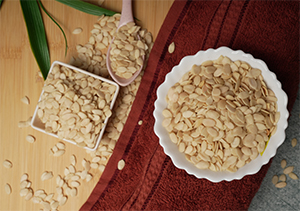
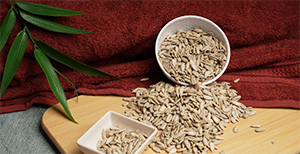
Sunflower Seeds
✅ Health Benefits of Sunflower Seeds
1. Rich in Healthy Fats (Heart-Healthy)
-
High in monounsaturated and polyunsaturated fats, especially linoleic acid.
-
Help lower LDL (bad) cholesterol and support overall cardiovascular health.
-
Contain phytosterols, which further reduce cholesterol levels.
2. Excellent Source of Vitamin E
-
One of the best natural sources of vitamin E, a powerful antioxidant.
-
Helps protect cells from oxidative stress, supports skin health, and boosts immunity.
-
Also supports brain health and memory.
3. Supports Healthy Blood Sugar Levels
-
High in fiber and protein, which slow the absorption of sugar into the blood.
-
May help reduce blood sugar spikes, making them diabetic-friendly when eaten in moderation.
4. Boosts Immunity
-
Contains zinc, selenium, and vitamin E, all of which support immune function.
-
Selenium helps the body fight infections and chronic inflammation.
5. Improves Skin and Hair Health
-
Vitamin E supports glowing, hydrated skin and reduces signs of aging.
-
Essential fatty acids help maintain scalp health and reduce hair fall.
6. Reduces Inflammation
-
Rich in antioxidants and anti-inflammatory compounds like flavonoids and vitamin E.
-
Can help manage chronic inflammation linked to heart disease, arthritis, and skin conditions.
7. Supports Hormonal Balance (Especially in Women)
-
High magnesium and vitamin B6 content help with PMS symptoms, mood swings, and hormonal balance.
-
Often included in seed cycling to support menstrual health naturally.
8. Boosts Energy
-
Rich in B-complex vitamins (like B1, B6, and folate), iron, and magnesium—nutrients that help convert food into energy.
-
Great as a pre- or post-workout snack.
9. Promotes Bone Health
-
Contains magnesium, phosphorus, and copper, which are essential for strong bones and joints.
10. Helps with Weight Management
-
High in protein and fiber, which keep you full longer and reduce unhealthy snacking.
-
Supports a balanced metabolism.
📝 Suggested Daily Intake:
-
1–2 tablespoons per day is a healthy amount.
-
Consume in raw, roasted, or soaked form—but avoid heavily salted or oil-fried versions.
₹21.00 – ₹420.00
✅ Instructions to Use Sunflower Seeds
1. Raw (Direct Consumption)
-
Eat a handful (1–2 tablespoons) of raw, hulled sunflower seeds daily as a snack.
-
Choose unsalted, unroasted seeds for the healthiest option.
Tip: Chew well, as they are rich in fiber and fat, which take time to digest.
2. Soaked (Easier Digestion & Better Nutrient Absorption)
Soaking seeds breaks down enzyme inhibitors and makes them easier to digest.
How to Soak:
-
Rinse 2 tablespoons of sunflower seeds.
-
Soak in water overnight (6–8 hours).
-
Drain and rinse in the morning.
-
Eat as is, or add to smoothies, salads, or porridge.
3. Roasted (Tastier & Crunchy Snack)
Dry roasting enhances flavor and makes a delicious healthy snack.
How to Roast:
-
Heat a dry pan over medium heat.
-
Add sunflower seeds and stir continuously for 2–3 minutes until golden brown.
-
Let cool and store in an airtight container.
Optional: Lightly roast with a pinch of salt, chili powder, or turmeric for flavor.
4. Sprouted (Nutrient-Boosted Form)
-
After soaking, leave seeds in a sprouting jar or damp cloth for 1–2 days.
-
Rinse twice daily.
-
Once they sprout tiny tails, use in salads, sandwiches, or smoothies.
5. Ground (as Powder or Butter)
-
Sunflower seed powder: Blend dry seeds into a fine powder to add to:
-
Oatmeal
-
Roti dough
-
Smoothies
-
Energy balls
-
-
Sunflower seed butter: Blend roasted seeds until creamy. Use as a spread or dip (just like peanut butter).
6. In Cooking and Baking
-
Add sunflower seeds to:
-
Bread or muffin batter
-
Granola bars
-
Salads or stir-fries
-
Soups for crunch
-
7. As Toppings
-
Sprinkle sunflower seeds over:
-
Yogurt
-
Smoothie bowls
-
Cereal
-
Oatmeal
-
Rice or grain bowls
-
| Weight | N/A |
|---|---|
| WEGHT : | 50GM, 100GM, 250GM, 500GM, 1KG |


There are no reviews yet.